Stepping up and transition to level 3 qualifications
Study Skills
Transitioning from GCSE to Level 3 Qualifications 
Welcome to the Next Stage of Your Academic Journey
The transition from GCSE study to Sixth Form is an exciting opportunity to develop new skills, greater independence, and deeper subject knowledge. While the step up to Level 3 qualifications can feel significant, it is also the beginning of a more rewarding and intellectually stimulating learning experience.
Success in Sixth Form requires greater ownership of your learning, effective organisation, and a commitment to developing the skills that will prepare you for university, apprenticeships, and future careers. This guide will help you understand the expectations of Sixth Form study and provide practical advice to help you thrive.
Becoming an Independent Learner
One of the biggest differences between GCSE and Sixth Form study is the level of independent learning expected. To achieve your potential, it is recommended that students complete at least five hours of independent study per subject each week. This study time may include:
- Homework and coursework
- Lipped learning / pre-learning activities
- Reviewing and consolidating class notes
- Completing wider research
- Exam practise and revision
Independent study is not simply additional work—it is an essential part of developing subject expertise and academic confidence.
Taking Responsibility
As a Sixth Form student, you are expected to take responsibility for your own progress.
If you miss a lesson, it is your responsibility to:
- Speak to your teacher promptly
- Catch up on missed learning
- Complete any missed work
- Ensure you remain up to date with the course
Developing this level of independence will help prepare you for higher education and the workplace.
Organisation
Strong organisation is one of the most important factors in Sixth Form success.
Your subject teachers will regularly monitor your organisation and study habits. Keeping materials organised allows you to access information quickly, revise effectively, and stay on top of deadlines.
Support is always available if needed. Mr Cornell, Mrs Griffiths, your Personal Tutor or subject teacher, can provide guidance and support with developing effective organisational strategies.
Organising Your Time : Sixth Form offers greater freedom and flexibility, but with this comes greater responsibility. Independent study periods should be used to complete independent work and prepare for exams and assessments.
Top Tips for Effective Time Management
✔ Break larger tasks into smaller sections
✔ Use study periods wisely
✔ Prioritise urgent deadlines
✔ Start tasks early rather than leaving them until the last minute
Remember: Procrastination is not your friend. Consistent effort over time is far more effective than last-minute cramming.
Organising your Academic Work
Level 3 qualifications are assessed across content taught over two years. As a result, maintaining organised notes and resources is essential.
Good organisation now will save significant time during revision and exam preparation.
Effective Note-Making
Active note-taking helps you:
- Improve understanding
- Strengthen recall
- Identify connections between ideas
- Organise complex information
- Develop critical thinking skills
There is no single "best" method. Experiment with different approaches such as:
- Cornell Notes
- Mind Maps
- Flashcards
- Flow Charts
- Digital Note-Taking
- Summary Sheets
Find the methods that work best for you.
Research Skills
Independent research is a key feature of successful Sixth Form study.
You will regularly be expected to:
- Investigate topics independently
- Gather information from multiple sources
- Evaluate the reliability of evidence
- Develop informed viewpoints
Reading beyond the specification not only deepens your understanding but can also help you identify future areas of study and career interests.
Finding and Evaluating Resources
Research assignments allow you to explore topics in greater depth than is possible in lessons alone.
When researching:
- Consider multiple viewpoints
- Compare evidence from different sources
- Question assumptions
- Evaluate the reliability of information
Useful Sources of Information
Academic Sources
- Google Scholar
- Google Books
- Professional Journals
- University Publications
School-Based Resources
- School Library
- Online Library Databases
- Subject-Specific Reading Lists
Current Affairs and Enrichment
- Newspaper Archives
- Current News Publications
- TED Talks
- MOOCs (Massive Open Online Courses)
- University Lectures
What about AI?

As a Sixth form student it is important to use AI in a credible and legitimate way that supports your learning and develops your critical thinking. Do your own thinking, develop your own ideas and then use AI to help source your evidence and make your answers more clear and concise.

Getting AI to complete tasks for you and do your thinking is counter productive and will only result in a failure to develop your own skills of critical thinking. In addition, AI generated information may not be accurate and will need further checking.
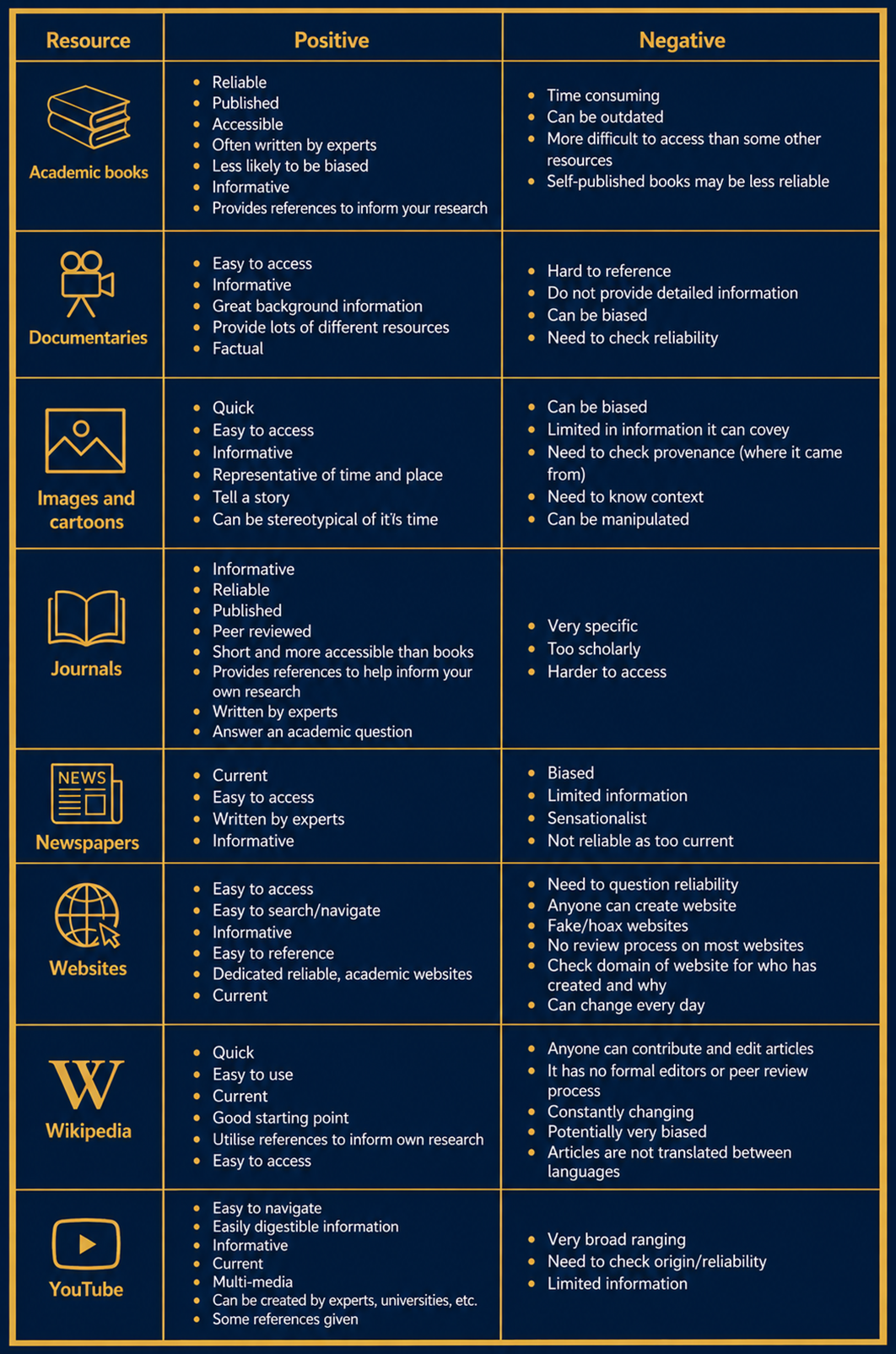
Always remember that not everything published online is accurate. Developing the ability to evaluate sources critically is an essential academic skill. Below are some of the most common resources that may be of use along with the positives and negatives of each one.
Source: http://sixthformstudyskills.ncl.ac.uk/evaluating-sources/positives-and-negative/
Reading – when to be a Dolphin, a Shark or a Whale
Academic reading often requires different approaches depending on your purpose. Think about your reading style as one of three learning animals:
Dolphin Reading – Explore

Dolphins move quickly, diving in and out of the water. Use this approach when:
-
- Skimming articles
- Exploring new topics
- Identifying key themes
- Deciding whether a resource is useful
Shark Reading – Target

Sharks are purposeful, focused and efficient. Use this approach when:
-
- Looking for specific information
- Answering a particular question
- Finding evidence for an argument
- Completing directed research
Whale Reading – Deep Dive

Whales immerse themselves deeply and remain focused for long periods. Use this approach when:
-
- Analysing complex ideas
- Preparing essays
- Studying difficult concepts
- Developing expert understanding
The key is recognising which approach is most effective for the task you are completing.
Communication

Communication is one of the most valuable skills you can develop. Strong communication supports academic success and is highly valued by universities and employers. Two key communication skills in Sixth Form are:
-
- Essay Writing
- Presentation Skills
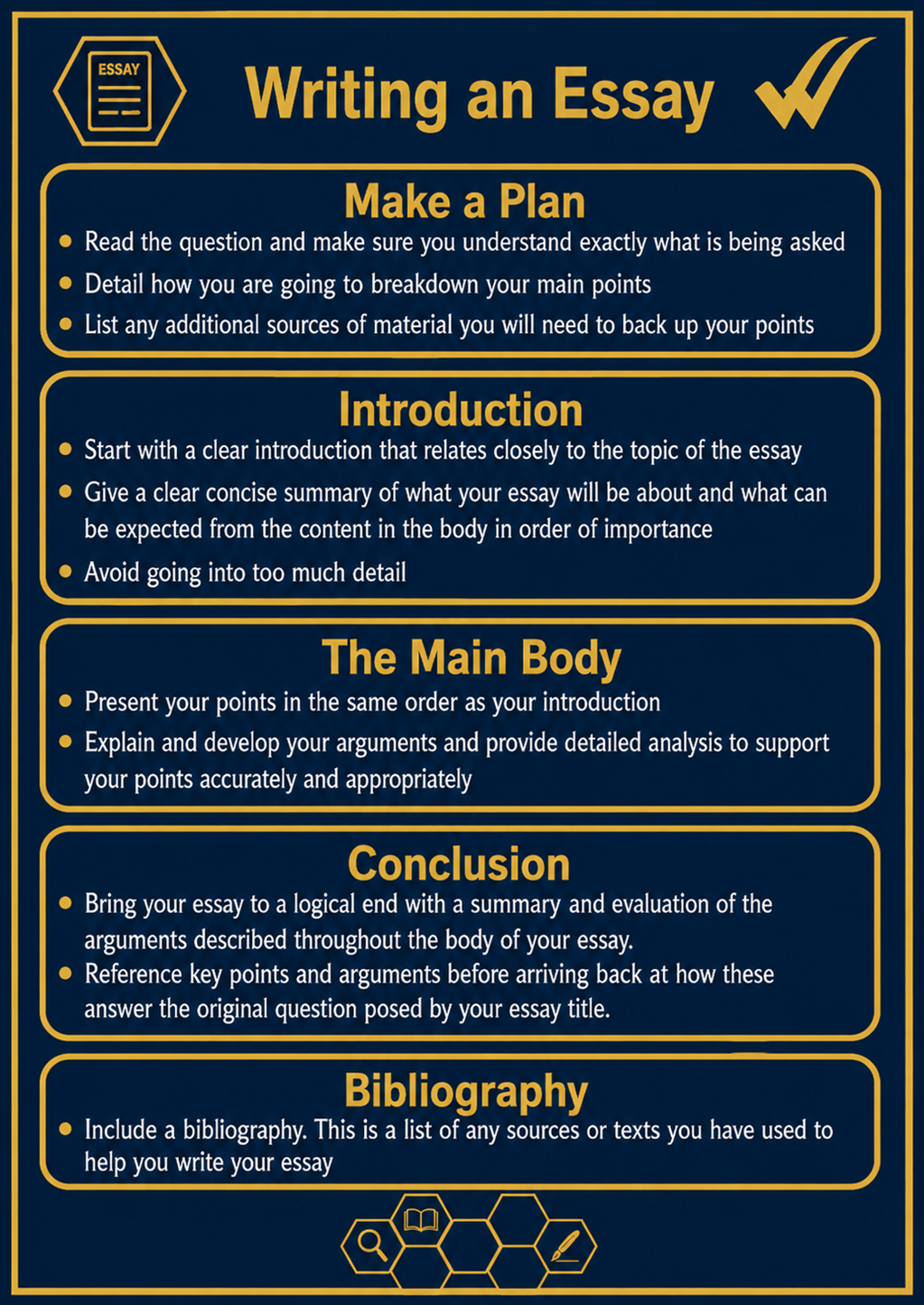
Essay Writing
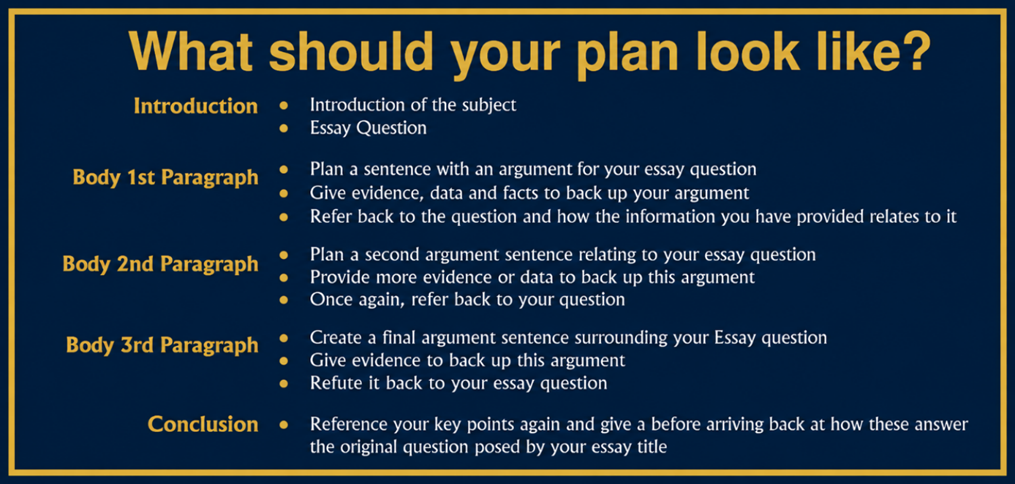
Academic essays are a common form of assessment across many Level 3 courses.
Principles of Effective Essay Writing
1. Understand the Question
Read the question carefully and identify exactly what is being asked.
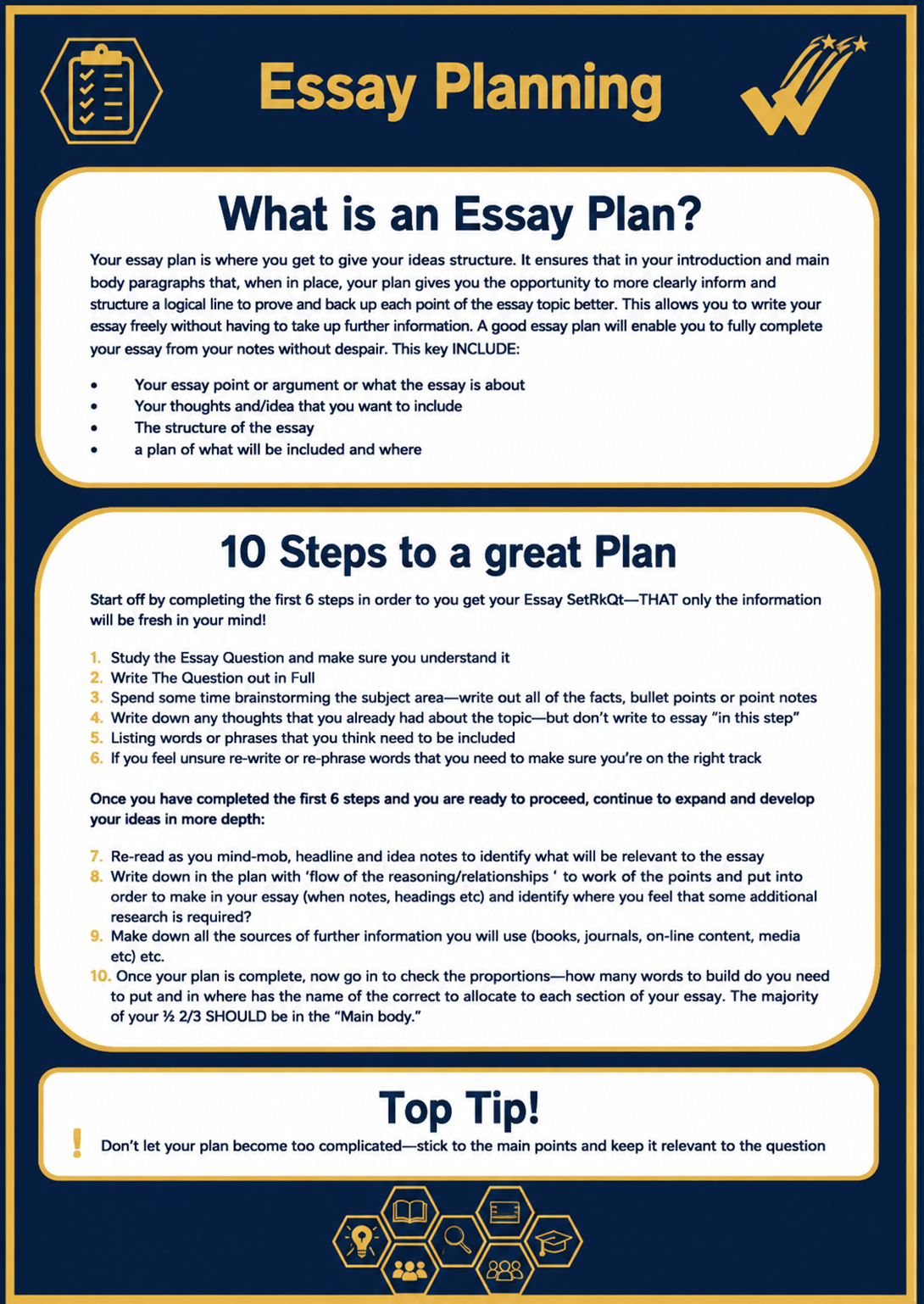
2. Make a Plan
Map out your argument and identify supporting evidence before writing.
3. Use a Clear Structure
Introduction
- Introduce the topic
- Outline your argument
Main Body
- Develop points logically. Focus on one theme at a time.
- Support ideas with evidence
- Incorporate counter-arguments.
Conclusion
- Summarise key arguments
- Reach a clear judgement
4. Think Critically
Strong essays go beyond simply describing information.
Aim to:
- Evaluate evidence
- Consider alternative viewpoints
- Analyse arguments
- Demonstrate wider reading
5. Proofread Carefully
Check:
- Spelling
- Grammar
- Punctuation
- Clarity
- Accuracy
Even excellent ideas can lose marks if they are not communicated effectively.
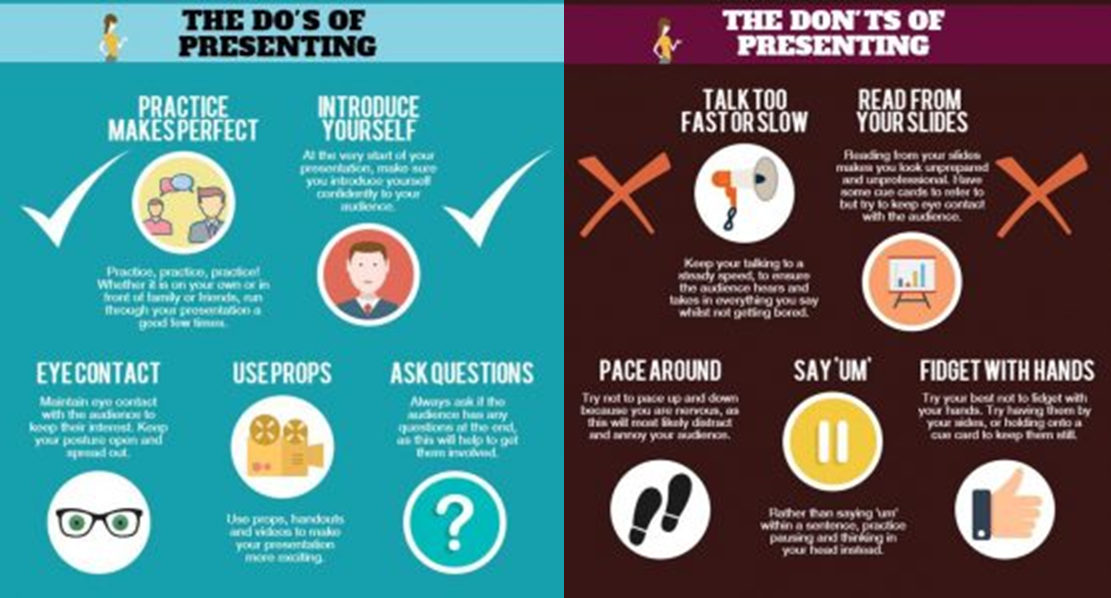
Presentation Skills
Presenting to others can initially feel challenging, but it is a skill that becomes increasingly important throughout Sixth Form and beyond. Strong presentation skills will help prepare you for:
-
- Interviews
- University applications
- Employment opportunities
- Public speaking situations
Delivering an Effective Presentation
Focus on:
- A clear central message
- Simple and engaging content
- Appropriate body language
- Confident vocal delivery
- Audience engagement
Remember: People are more likely to remember a clear message delivered confidently than a complicated presentation delivered poorly.
Critical Thinking
Critical thinking involves analysing information and evaluating:
- Accuracy
- Reliability
- Validity
- Relevance
- Usefulness
Throughout Sixth Form, you will be expected to:
- Evaluate evidence
- Challenge assumptions
- Consider alternative perspectives
- Justify your own conclusions
These skills are highly valued by universities and employers alike.
Characteristics of a Critical Thinker
A critical thinker demonstrates:
- Curiosity and inquisitiveness
- A desire to remain well-informed
- Confidence in reasoning abilities
- Open-mindedness
- Flexibility in considering alternatives
- Fairness when evaluating arguments
- Awareness of personal bias
- Willingness to revise opinions when presented with new evidence
- Careful judgement and reflection
Developing these qualities will support both your academic achievement and personal growth.
Collaboration

Learning is often most effective when it is shared. Collaboration is an important part of Sixth Form study and an essential life skill valued by both employers and universities.
Working effectively with others enables you to:
- Share ideas
- Solve problems collectively
- Learn from different perspectives
- Develop confidence
- Strengthen understanding
Skills Developed Through Collaboration
- Effective Communication
- Teamwork
- Co-operation
- Leadership
- Organisation
- Delegation
- Problem Solving
- Pragmatism
By discussing, debating, questioning and reflecting together, you can deepen your learning and broaden your understanding.
Taking Opportunities
Successful Sixth Form students actively seek opportunities to develop beyond the classroom.
Throughout your time in Sixth Form there will be opportunities to:
- Attend lectures and workshops
-
-
- Participate in competitions
- Join enrichment activities
- Undertake leadership roles
- Engage in supercurricular study
- Develop employability skills
-
-
Balancing academic study with wider opportunities can be challenging, but it is often these experiences that make your Sixth Form journey memorable and help distinguish you when applying for university, apprenticeships, and employment.
Your Sixth Form Journey Starts Here
The move from GCSE to Level 3 study is a significant step, but it is also an exciting opportunity to become a more independent, organised and confident learner. Approach the challenge positively, embrace new opportunities, and take ownership of your learning.
Work hard, stay organised, ask for support when needed, and make the most of every opportunity. We look forward to supporting you throughout your Sixth Form journey.